By: Amy Marcle
Imagine waking up every morning with your heart racing. Your first thought is “whew, thank you God for allowing me to wake up another day.” And so, you say that prayer, thanking your God for keeping you safe and alive through the night, because you know He didn’t have to. You know that you have two chronic illnesses that could take you from this world at any moment if you don’t do all you can to fight to stay alive and healthy. Imagine being thankful for each minute you receive.
Welcome to my life.
AT the age of 13, I was diagnosed with Type I Diabetes. So, let me clear this up for anyone who still does not know the differences in the two types of Diabetes. Type I is where your pancreas stops working. It literally waltzes up like an exhausted employee and says…” I’m done.” When you are newly diagnosed, you question all your habits, your wrongdoings, and every bite of food you have ever put in your mouth. You question the day you laid on the couch instead of going for a walk or playing outside. You wonder what you could have possibly done wrong that caused your pancreas to just walk out on you. And the answer with Type I Diabetes is…. you have done nothing to cause this.
Self-blame and torturing yourself with “what if’s” won’t help. With this form of diabetes your body just attacks itself for no reason or for some underly9ing health issue you may not know you already have. Type 1 Diabetes is autoimmune, meaning your body is in a constant battle against itself. And people wonder why we get tired. Try convincing one side of your body not to kill the other all day every day of your life and see if you are not tired. Both mentally and physically.
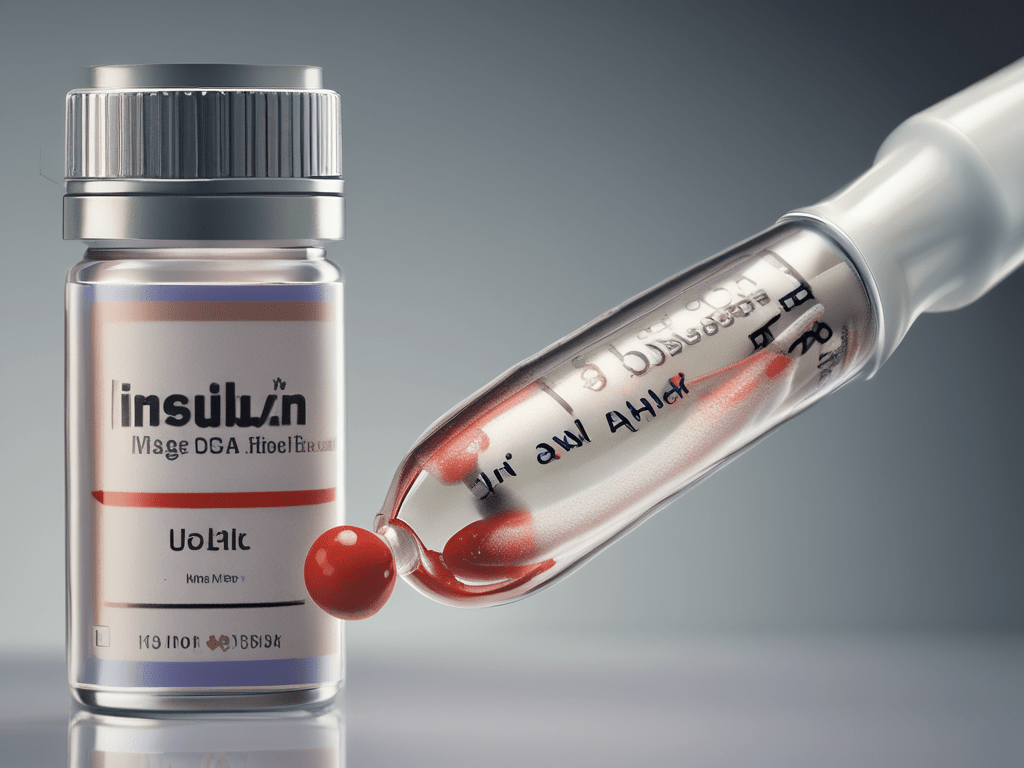
People often confused my diabetes with Type II Diabetes which is adult-onset diabetes. Type II diabetes is often caused by lifestyle choices and some medications. It can often be controlled with diet and prescriptions. Type I is controlled with daily insulin injections or by using a insulin pump therapy option. When I was a teenager and people found out I was diabetic, I heard the whispers. I heard the people who thought I wasn’t listening say things like….” she’s got the sugar” or “she’s a bad diabetic” or “She’s got the bad kind of diabetes.” They associated Type 1 with being “bad” because it required daily injections and close monitoring of glucose levels and also of food intake. I heard that so much in my life that I stared mentally to label myself as “bad.” They were right. I was a “bad” diabetic even though I didn’t cause it, even though I was strict with my diabetes diet and medication, even though I exercised daily, I was still to the general population “a bad diabetic.” I even heard my relatives say it, so what was I to believe?
One of the physicians I visited once told me that if I could survive 25 years without getting any of the typical complications that most Type I Diabetics end up with then I would be in good shape. My grandfather was diabetic and also on dialysis for kidney failure due to his uncontrolled diabetes. So, I saw firsthand the devastating toil this disease could take on one’s body. And after being diagnosed myself, I stayed on him to eat right and take his insulin to prevent any further complications. He was so reluctant to take insulin that he refused and ended up in the hospital. At the time, I thought this was the most absurd notion ever….to simply not want to take your insulin. Little did I know how that would come back to haunt me years later.
When you have diabetes, everything revolves around food. Everything. You can’t eat this. You can’t eat that. You can have a little of this but only if you take this amount of insulin beforehand. If you aren’t good at math prior to diagnosis, you will be afterwards. Count carbs. Count grams. Count calories. Calculate insulin dosages. Count. Count. Count. It’s no wonder that many type I diabetics end up with an eating disorder, which is what happened to me.
I wasn’t your typical eating disorder patient though. I was under the impression that eating disorder patients were all 15-year-old girls who were bone thin and just refused to eat to be stubborn. But that’s not the case. I was a 23-year-old married mother of a sweet little girl when I found myself eyeball deep in the living hell an eating disorder can bring.
While pregnant, I took super care of my diabetes to prevent my child from having any birth defects. High blood sugar could have made my daughter subject to various abnormalities that I was unwilling to let her have if I could at all prevent it. I kept my sugar on the low side the entire pregnancy. Sometimes too low. Low sugars meant I had to eat more snacks than common to bring my sugar levels back up to normal range. More snacks meant….you guessed it…more weight gain. A big no-no in the diabetic world.
After the birth of my daughter, I thought back to the days prior to my diagnosis and recalled that when my sugars were high (unknown to me at the time) I was dropping weight like crazy. What was the link? Bingo, then my body didn’t have the insulin it needed and therefore the high sugars were causing me to lose weight. An idea was born and for the next few years an eating disorder came close to ending my life multiple times. My health was terrible. My mental state was terrible. My weight was dropping, but I could not enjoy life because of the constant thoughts in my head telling me I was still a “bad” diabetic, still “too fat.” The thinner I got the fatter I felt and the fatter I felt the more messed up mentally I became. I was in a downward spiral. A deadly downward spiral.
I don’t want to rehash all the details of my eating disorder in this post, I wrote an entire book about that if you are interested. What I want to address is the necessity of addressing mental health when someone is diagnosed with a disease or illness. We focus so much on physical well-being that we forget to address the mental well-being new patients find themselves dealing with in the days and years following a diagnosis.
During my diagnosis, not one medical provider asked me or addressed with me how I was feeling mentally. I remember at 13 years old lying in the hospital bed wondering how long I would live. Was I going to die? Were the kids at school going to make fun of me? How was I going to handle all this new information thrown at me? How was I going to make the best choices to fight this battle for as long as I could.
I was taught how to “survive” diabetes but not how to “live” with diabetes. Booklets and videos were given to me to show me how to check my sugar, prepare my insulin, track my meals, prepare meals but nothing was provided to me how to deal with “real life” after a diagnosis.
Three years ago, as a result of my lifelong diabetes, I was diagnosed with Stage3/4 kidney disease. While this is a typical diagnosis for many diabetics, I probably sped the process up by my refusing to take my insulin to lose weight. You know, the same thing I fussed at my Grandfather about. And here I was with the same disease that ultimately took his life. I had to again make changes. Changes to what I eat. Changes to medicines. It was like deja vu all over again. But this time I was bound and determined to make mental health a part of my focus. This time I was going to do research and not rely on the dietician who gave me some nasty ass recipes and basically said “may the odds forever be in your favor.” Mental health education was never part of my diagnosis. And it should be. Understanding mental health and how it is affected when diagnosed with life altering illnesses is key to not only having a healthy mentality, but also is key in aiding overall complete health physically. Often, my medical team stresses the importance of physical well-being, but never mentions promoting mental well-being. You cannot separate the two. One is not more important than the other, but rather they need to be addressed together as a whole.
And so, I’m living now. I’m living with both Diabetes and Chronic Kidney Disease and I’m doing more than just surviving. I still know that one low blood sugar in the middle of the night could end the whole dance of life for me, but I’m taking precautions to prevent that now. So, what changed? I stopped listening to the negative people who were providing me with such cluttered background noise that I couldn’t think for myself. I stopped obsessing about health and started addressing it instead. And I pray. I pray a lot. I know religion is not everyone’s cup of tea, but I honestly don’t understand how people make it through stressful times if they don’t have God to talk to. Nobody else knows how you feel, but God does. And he didn’t put you on this earth to just be miserable. He doesn’t give us more than we can handle, even though we sometimes question that.
I guess I have rambled all of this to get to this point…if you are struggling with something gin your life that is weighing heavy on you, you are not alone. Looking at me, people probably never guess the amount of anxiety I carry around on a daily basis. But I do. People would never guess that I’m a recovering addict but I am. I know what it’s like to be labeled “bad”. In the darkest days of my eating disorder, people called me things like “crazy,” “irresponsible,” “a bad parent,” “sinner,” “drug addict” and the list goes on. I was none of those. But I know how hard it was to fight to gain my reputation back after recovering. I know how hard it was to gain people’s trust back. But, here’s the thing…..the people who really love you and care for you will never make your feel worse than you already do for allowing yourself to be in a bad situation. It’s up to YOU though to figure out whose words you let live in your head. It’s up to YOU to distance yourself from anyone dragging you down. I had to unfollow and break away from several people when I finally recovered. You can’t heal yourself with the same people who are making you sick. You can’t recover where you are tempted to relapse. I know some thoughts that are put into your head are hard to shake, but you have to decide
which ones you let stay and which ones are just living rent free in your head and giving you nothing positive in return.
If you need just a place to vent…we want to be that place for you. We are not professionals, but we are survivors. We have learned not to be our own worst enemy and to enjoy living again. Every day, I’m fighting to live, and not just surviving. You can too.
 Rent Free Living
Leave a comment