
Amy Marcle
Everyone has probably heard of the Twelve Steps used as the core program for recovery by organizations such as Alcoholics Anonymous. We will most definitely discuss these steps in depth over the course of these blog postings. However, I want to provide you with some ABC’s of Recovery that I faced while overcoming addictions and continue to face daily. To begin, let’s start with acceptance.
STEPPING OUT OF DENIAL
In order to recover from any situation, you must first accept that the situation has indeed occurred. If you are battling grief, you must acknowledge that the person you are grieving has passed from this life and that you are no longer able to have the relationship and communication you once had with that individual. If you are battling an illness, you must first accept your diagnosis before you can begin a treatment plan. If depression or anxiety is the obstacle you find yourself facing, you must acknowledge your reasons for feeling the way you do. Finally, if you addiction is your downfall, you must be honest with yourself about your habits of the addiction you are battling.
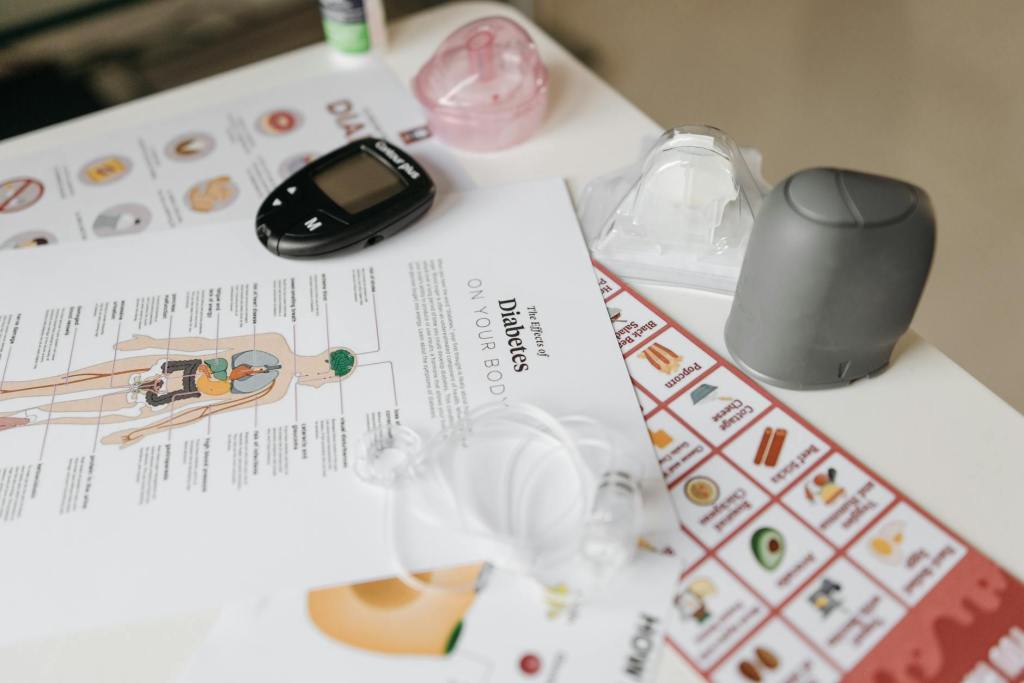
When I was first diagnosed with Type 1 Diabetes, I was in denial. It was the middle of December 1990 and I was leaving the pediatrician’s office with my parents. The doctor had just confirmed that I was being diagnosed with Type 1 Insulin Dependent Diabetes. My parents were instructed to take me straight to the hospital where plans were being made to have me admitted. He informed them that inpatient hospitalization was necessary to bring my blood sugars back into control and for me to be educated on the new lifestyle I was about to begin. On our way out of the office, the receptionist offered me a candy cane. My mother quickly informed her that I could not have it because I had just been diagnosed with diabetes. I remember being so embarrassed for several reasons. One, I thought diabetes was an old person’s disease. And two, I thought I had gotten it because I had done something wrong. I grabbed the candy cane, glared at my mother, and said “well, I’m taking it. They might have made a mistake.”
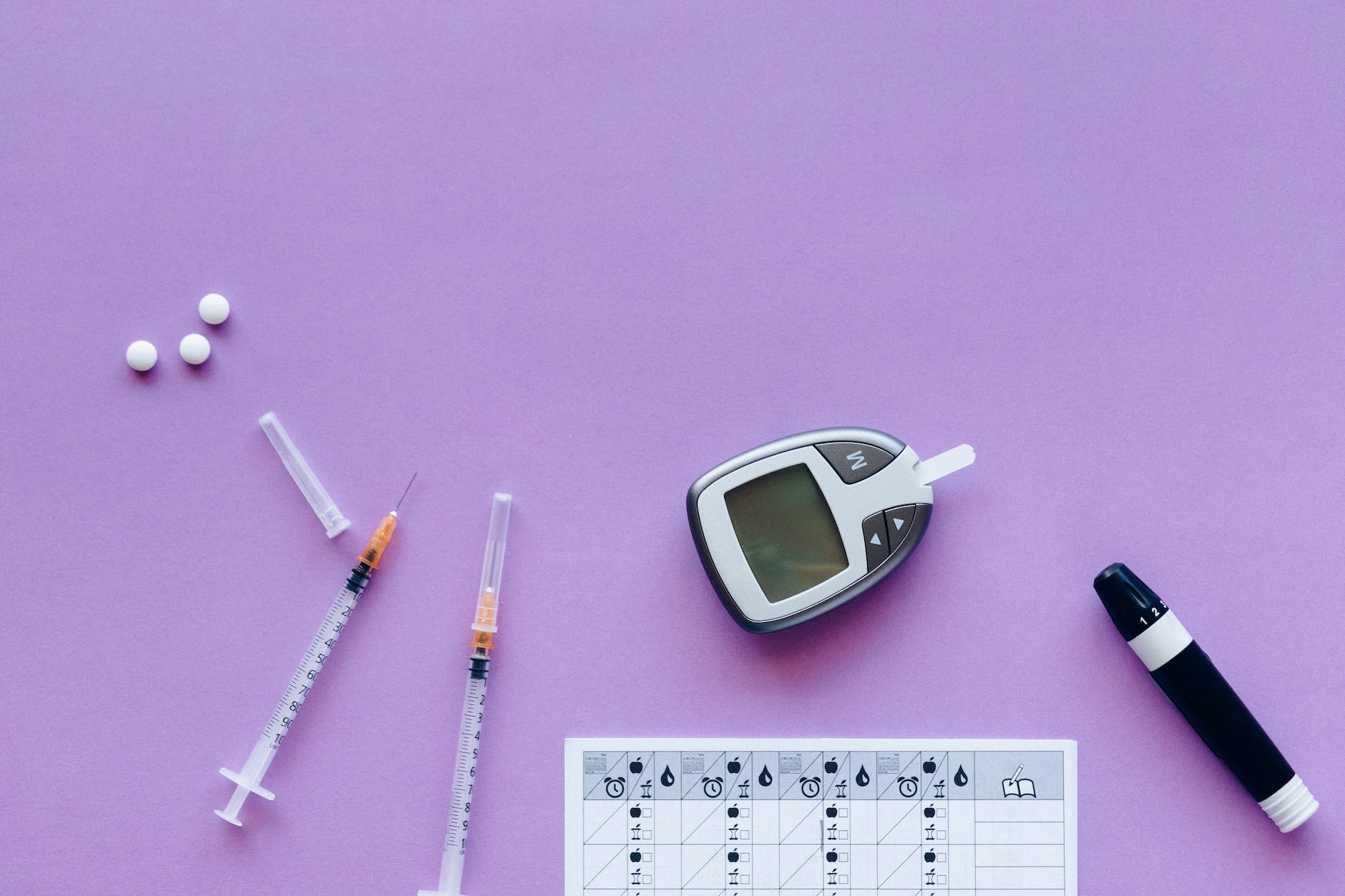
At thirteen years of age, it was hard to accept the fact that I now was forced to live with a chronic disease. It was tough knowing that I would not be able to eat the same foods other teenagers ate. I no longer would have the luxury of eating whenever I wanted, but rather would have to adhere to a stricter schedule and diet than my friends. It was even harder to realize that if I did not take care of myself properly, one day diabetes could kill me.
My first day back at school came with a great deal of anxiety. Questions ran through my mind such as: Was everyone going to make fun of me? Would I get laughed at for having to check my blood sugar? Would I not do something correctly and pass out in the middle of class? What was life going to look like now for me?
Friends would ask me questions such as “What is diabetes? Can I catch it by touching you?” Or say things like, “My grandmother has diabetes because she ate too much sugar” or “my great uncle has diabetes because he is fat.” These statements caused me to become defensive as if I needed to explain my diagnosis. Actually, I STILL explain my diagnosis when asked about my diabetes. “Yes, I’m diabetic. I have been since I was a kid. My pancreas got tired and quit working. No, I was not a fat kid. No, I did not eat too much sugar.” Thirty plus years later and I still get defensive about being diabetic.
Honestly, I do not really care about what people think about me. I am pretty bold and pretty outspoken when it comes to voicing my opinion. But, the thought of people thinking diabetes was somehow my fault, that breaks me even to this day. It is really nobody’s business how long I have been diabetic or what caused it. I have it. I have to accept that. I do not own anyone an explanation on why I have been diabetic for the biggest part of my life. Acceptance…the first step in being able to successfully treat and addiction or illness is to accept what it is you have.
Much like my diabetes diagnosis, my eating disorder was hard to accept. Family members and friends were concerned about my health and the toll it was having on my both mentally and physically. They were all sing what I could not see for myself. There were times where I was brought to a mirror and told to look and describe what I was “really” seeing. I was really seeing an overweight person who needed to continue to drop more weight. They were seeing sunken eyes and bony cheeks. I was seeing a failure who should be stronger that what I was, someone who needed to push themselves harder to lose more weight and eat less calories. Others were seeing a person who was dying right before their eyes. I wasn’t screaming for help, but at the same time, I was giving plenty of nonverbal clues. Others accepted the fact that I had a problem way before I did. My family knew it. My friends knew it. My coworkers knew it. Everyone who knew me realized I had an eating disorder. Everyone but me. I would not and surely could not accept the fact that I had an eating disorder. Why is that? Let me give you two reasons.
The first reason was I could not be honest enough with myself to admit that I had succumbed to such unhealthy habits. I could not allow myself to be labeled as an “addict.’ I was not a drug addict, even though I was stealing diuretics from my mother’s house. I did not consider myself an addict because it was not like I was eating TOO much food. I mean, I wasn’t eating enough, so I could not be addicted to eating. I could not call myself an addict because addicts were those “other” people who could not keep a job, who couldn’t go one day without their fix, who were living on the streets, who were lying to themselves and their families. But, I was indeed an addict. I was addicted to dieting and starvation. I was addicted to the high I got when someone told I had lost weight. I was addicted to the feeling I felt when I was starving and throwing up. Feeling good did not feel good any longer. I was addicted to being unhealthy.
THE TURNING POINT
Accepting that you are an addict is a crucial first step in making an effort to begin the recovery process. I can remember the night I had finally had enough. I was sitting on the bathroom floor with a bottle of pain pills, ready to take the entire bottle. I was tired. I was sick. I was dying. I called Jason and my parents and had them come talk to me. I knew I needed help. I was a parent for God’s sake. It was time I admitted I was slowly killing myself and any chances I had of watching my daughter grow up. At three years old, she was mimicking my behaviors already. I had seen her step on the scales, sigh loudly in disgust, and step off again. Like mommy like daughter. But she loved me. She had just told me on the car ride home that day that I was “the best mommy in the world.” I knew I was not though. I also knew that I wanted to be, both for her and for myself.
GIVING UP CONTROL
There are other ideas you have to accept when beginning your recovery journey. You have to accept help from others. I had visited numerous counselors, psychologist, and medical providers during my addiction. But, I refused to admit I needed someone to help me. I was tough, I thought. I would recover on my own. But, trust me, this is a journey you cannot take alone. You need a support group who will help hold you accountable for your actions. You need unbiased people to discuss your progress and your setbacks as you recover. Most importantly you need God. Addiction is all about control. In order to regain your sobriety, your normalcy of life, your health then you have to be willing to give up part of that control and allow others to help you.
When I was in the midst of my battle, I was literally at the bottom of the bucket in most people’s standards. However, in my eyes, I was on top of the world. The high I got from being able to control my weight so effortlessly made me feel as if I had a superpower. I guess I was right. I was powerful in shutting my body down on my own. Not exactly the type of superpower that gets you a cape and mask. Giving up control is a huge step in recovery. Accepting the fact that you cannot control every situation in your life that may be pushing you into addiction is crucial. We cannot control every situation we face, only how we react to them.
Recovery is a work in progress. I still have to fight daily to keep a positive mindset when it comes to food and weight especially with the health issues I face. But, I am learning to deal with any negativity by practicing self-awareness. This blog is to let you know that we know how hard admitting you need help can be. We want you to know you are not alone in your battle and the best way to stop negative thoughts about your addiction from living in your head is to release them out in the open through discussion and support teams that want to help you in your journey.
 Rent Free Living
Leave a comment